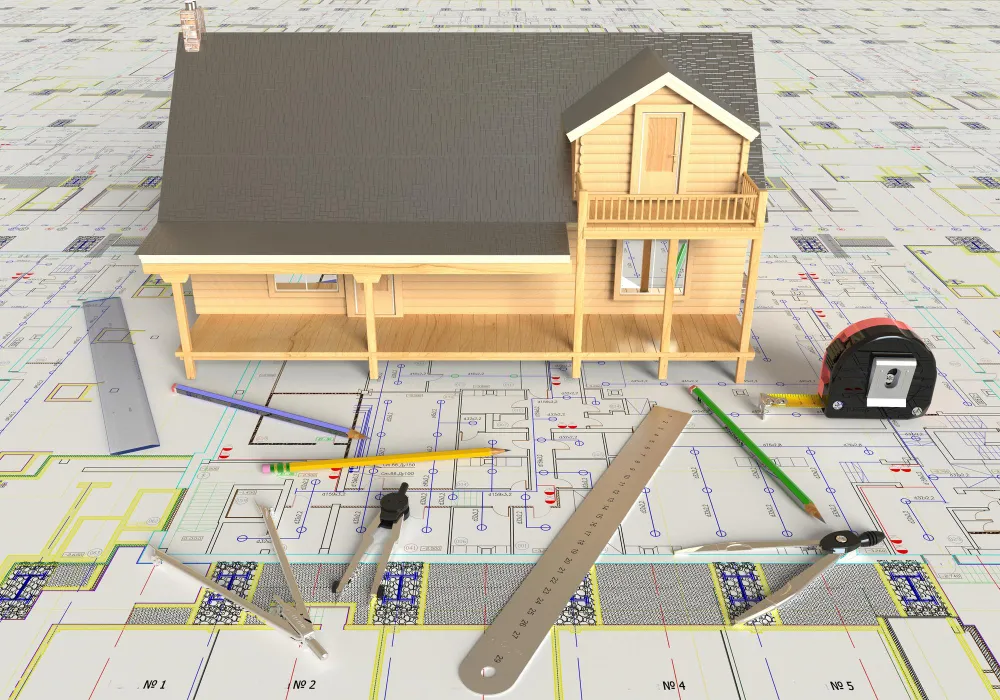
When it comes to building a house, it is important to understand the complete house construction process. If you don’t know how to get started, you might overspend or make design errors that are hard to fix down the line.
To make things easier for you, we’ve compiled this step-by-step guide on how to build a new home from scratch. By the end, you’ll be familiar with all the key steps to building a house and will feel confident moving forward. So, let’s set off on this highly informative journey.
13 Key Steps to Building a House That You Dream About Every Day
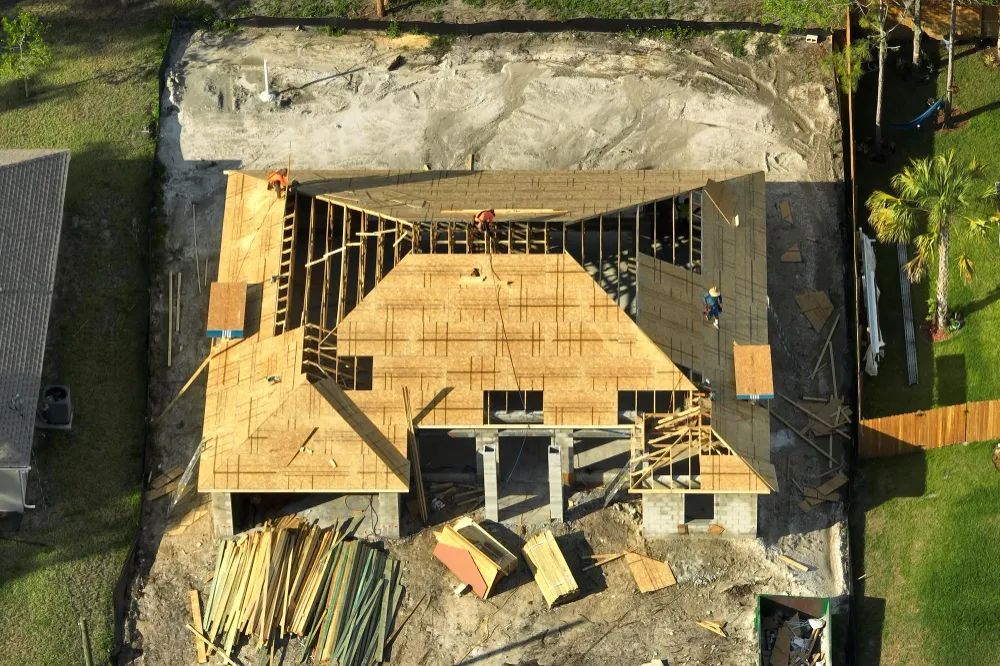
Building a house from scratch is a structured process that involves step-by-step construction, and each step serves as a milestone. Let’s go through the exact 13 steps to complete the process from start to finish.
1. Define Realistic Home Needs First
Before anything is designed or built, you need to be clear about what your home should actually do for you. Instead of rushing ahead, you pause and think about how you live right now and what you will need in the years ahead.
Your goal is simply to shape your thoughts into something practical so nothing important gets missed later. So, you must decide:
- How many bedrooms and bathrooms you need
- Whether you need a quiet workspace, guest room, or both
- If your family might grow and need extra space later
- What kind of daily routine your home should support
2. Set Your Budget and Arrange Finance
Setting a specific budget range is one of the most important steps to building a home. Without a clear idea of how much you will be investing, you may either fall short of finances or spend extra. Therefore, it’s better to plan your overall construction costs in advance.
Your rough estimation should include the costs of land, design, approvals, structure, basic amenities, and final finishing. Once you are clear on the cost, it’s better to arrange your finances before taking the next steps.
3. Choose and Purchase a Suitable Land
With your needs and budget defined, your next step is to buy land for your home. This step is worth taking a bit of time and looking at how the land connects to roads, nearby services, and the wider neighborhood. Shape and size also matter, particularly when you’re designing your layout.
When the land really suits your long-term plan, the process feels more stable throughout. Since everything you build later depends on what the site can actually support, take your time to make the choice.
4. Conduct an Initial Site Evaluation
The next step in the custom home building process is to perform an initial evaluation of your site. Many people make the mistake of skipping it, but you shouldn’t do it at all. The reason is simple: building on unsuitable soil can compromise the strength of your home. That’s why you should visit the site and assess it carefully, focusing on the following factors:
- Soil condition
- Accessibility
- Water drainage
- Land levels
- Obstacles, if any
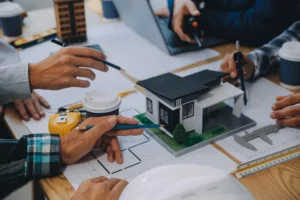
5. Hire an Architect and a Builder
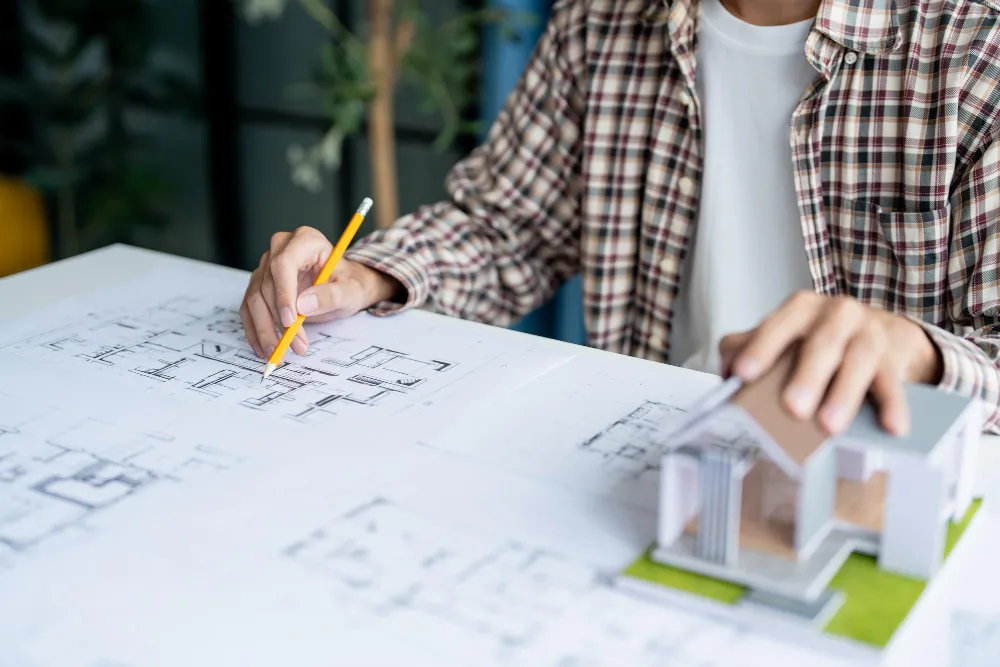
An architect and a builder are two cornerstones of a home construction process. By working with an architect, you can breathe life into your idea, and the builder will help you turn that concept into reality. Together, they help you build a house that perfectly meets your vision.
So, instead of managing everything on your own, hire these two professionals to oversee the rest of the process. However, make sure that you pick someone who already has extensive experience in construction.
6. Design Floor Plans and Layouts
Everything you want to build in your home depends on the designs and layouts you choose. You can select from the existing templates provided by your architect and ask them to adjust those as per your home’s measurements. Besides that, you can also request a custom design for every space of your home, from the kitchen and bathroom to rooms and outdoor areas.
However, make sure you keep your home’s functionality in mind when finalizing the drawings. This way, your home not only looks beautiful but also feels easy to navigate and live in, even years later.
7. Obtain Permits and Approvals
Once all the drawings are ready, you need to get them approved by the local housing authority. You might ask your general contractor to handle all the approvals on your behalf. But if necessary, you’ll have to be involved in the process.
Most of the basic permissions are granted in a week or two, but some may take a month in case of any design complication. Once you secure all the permits, you can officially start the construction process without any legal trouble.
8. Prepare and Clear the Site
The first thing you do after getting approvals is prepare your site for the foundation. If your land is already cleared, that’s great. But if there are some obstacles on it, such as trees, boundary walls, or remnants of old structures, you need to remove them first.
Also, if the ground is uneven, ask your builder to level the land before moving to the next step. Moreover, arrange all the basic amenities needed to start construction, such as water connections, electricity, servers, and gas.
9. Lay and Inspect the Foundation
Finally, you reach the first practical step of the home construction process, which is laying the foundation of your house. You can choose among different types of foundations, such as slab, crawl, and basement. But before making a choice, make sure that you consider your soil conditions, local approvals, and climate.
Whichever type you go for, it must be stable and strong, as the whole structure will rest on the base. For a standard American home, it may take 1 to 4 weeks to lay the foundation. After it completes, check its grading properly to avoid cracks, water damage, and drainage issues.
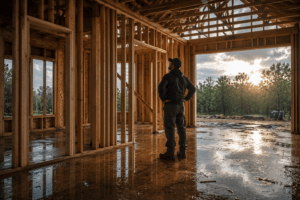
10. Complete the Home Structure
Once the foundation is complete, you need to move to the structure-building process, which takes sufficient time. It could range from 2 to 4 weeks, depending on your home’s size. Also, factors such as weather conditions and legal restrictions can delay the procedure.
Therefore, it’s better to plan your timeline with some flexibility. Start by laying the floor system, and then build walls. Finally, frame and add the roof on top to complete the main structure. You see the actual shape of your house once the structure is completed.
11. Install Plumbing, Electrical, and HVAC Systems
When your structure is ready, ask your builder to install plumbing, electrical, and HVAC systems. These are the basic amenities that need to be installed before the finishing work. Here is a simple checklist that you should follow at this stage:
- Install main plumbing lines for the water supply.
- Place drainage pipes and a rainwater system.
- Set up complete electrical wiring and panels.
- Install HVAC ducts and units.
- Add proper ventilation in all areas.
12. Add Insulation and Drywall
When wondering about “how to build a custom home,” you often think about insulation and drywall installation. While both are optional, they play a pivotal role in making your house comfortable and livable. Also, properly insulated walls significantly reduce your energy costs.
So, it’s advisable to take this step after all systems, such as HVAC and water lines, are installed. Fortunately, you have multiple insulation options, including fiberglass batt, spray foam, blow-in, and rigid foam. You can choose the one depending on your affordability and personal preferences.
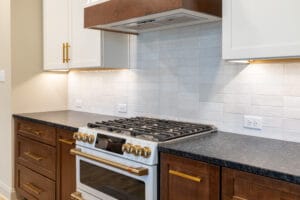
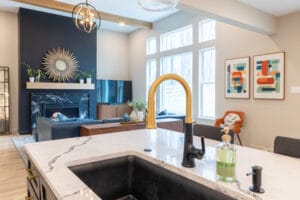
13. Finish Interior and Exterior Work
The last step in building a house is completing your interior and exterior work so you can finally move in. There are certain final touches you have to put on to make your home actually look like a well-developed property. These include flooring, cabinets, countertops, lighting fixtures, doors, trims, and paint.
Besides that, installing siding and roofing is also part of the last stage of construction. To add a cherry on top, you should also consider landscaping work, as it breathes life into your home’s exterior. Once everything is complete, you can move in happily and enjoy your new home.
To Wrap Up
By now, you should have a clear understanding of the steps involved in building a home and feel more confident about moving forward. If you have any questions, you can contact us for a personal consultation. At MCH, we not only guide you through the process but also serve as a builder that you can rely on for your home construction project. We’ve completed over 200 projects in Richmond and its neighborhoods, so we have extensive local building experience and can build your home just as you dream it. Let’s start today.