
When you’re building a custom home, it’s easy to focus on the visible features like cabinets, flooring, and lighting.
But some of the smartest investments are the ones you’ll never see once the drywall is installed.
Low-voltage wiring is one of those investments.
Planning for technology during construction is significantly easier and less expensive than trying to add it after your home is finished.
Even if you don’t plan to install every smart home feature today, prewiring your home gives you the flexibility to upgrade in the future without opening finished walls.
Low-voltage wiring carries communication signals rather than standard household electrical power.
It supports many of the technologies homeowners use every day, including:
Installing these wires before drywall is one of the easiest ways to prepare your home for future technology.
In most cases, yes.
Even if you don’t plan to install every technology feature immediately, running the wiring during construction costs far less than retrofitting it after your home is complete.
Think of it as future-proofing your home.
You may not need every wire today, but you’ll appreciate having the option later.
Many homeowners stream nearly all of their television content.
While Wi-Fi has become very reliable, hardwiring televisions with Ethernet cable can still provide several advantages.
These include:
Even if you primarily use Wi-Fi, installing Ethernet cable behind televisions gives you the flexibility to choose either option.
Yes.
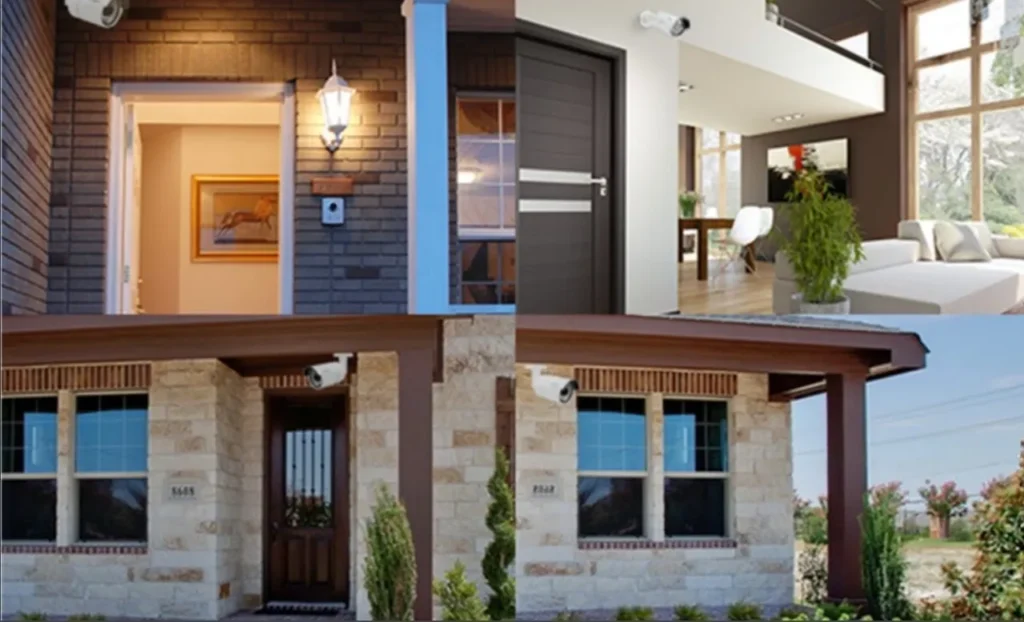
Security cameras are one of the most common upgrades homeowners add after moving into a new home.
Running the wiring during construction allows cameras to be installed later without cutting drywall or running exposed cables.
Consider prewiring locations such as:
Even if cameras aren’t installed immediately, the wiring will already be in place when you’re ready.
Larger homes often benefit from multiple wireless access points rather than relying on a single Wi-Fi router.
Strategically placing access points throughout the home can improve:
Planning these locations during construction allows wiring to remain hidden while providing better performance throughout the home.
For many homeowners, yes.
Built-in speakers create a clean, uncluttered appearance while providing music throughout the areas where families spend the most time.
Popular locations include:
Because the wiring is concealed during construction, the finished installation is typically much cleaner than adding speakers after the home is complete.
Every family’s needs are different, but many homeowners choose to prewire for:
Even if you don’t install every device immediately, the wiring provides flexibility for future upgrades.
Modern wireless technology has improved dramatically and works well for most homes.
However, certain devices often benefit from hardwired connections, including:
A combination of wired and wireless technology often provides the best long-term performance.
Before construction begins, ask:
These conversations are much easier before construction than after your home is complete.
Technology changes quickly, but thoughtful planning helps your home adapt for years to come.
At McMahon Custom Homes, we discuss technology during our Land-to-Keys™ design process so homeowners can make informed decisions before construction begins. Whether you’re planning a dedicated home office, whole-home audio, security cameras, or simply want the flexibility to upgrade later, we’ll help you identify the right opportunities while the walls are still open.
If you’re planning to build a custom home in Goochland, Richmond, Chesterfield, Midlothian, Henrico, Hanover, Powhatan, or the surrounding areas, we’d be happy to help you design a home that’s ready for both today’s technology and tomorrow’s innovations.