One of the most important decisions you’ll make when building a custom home happens before construction ever begins.
It isn’t choosing a floor plan or selecting finishes.
It’s understanding the construction contract you’ll sign with your builder.
The type of contract affects your budget, your flexibility, your financial risk, and how changes are handled throughout the project.
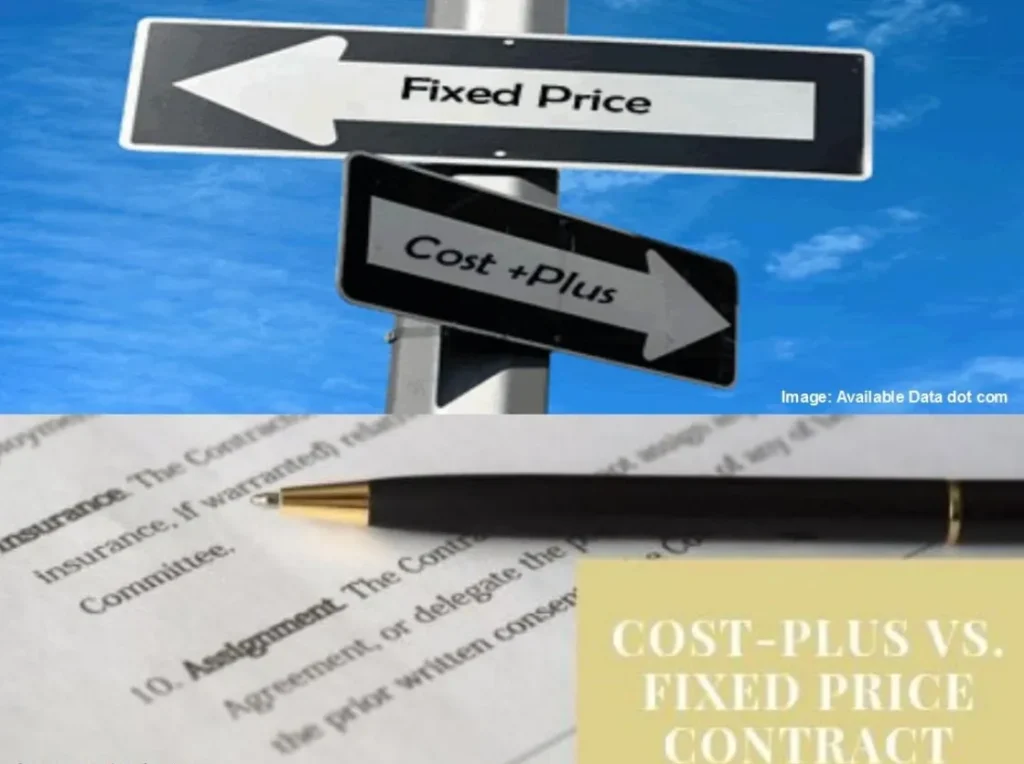
The two most common contract types used in custom home building are fixed-price contracts and cost-plus contracts.
Neither is automatically better. The right choice depends on your priorities, your level of involvement, and the builder you choose.
This guide explains how each contract works, the advantages and disadvantages of each, and the questions you should ask before signing.
A fixed-price contract establishes the agreed-upon construction price before work begins.
As long as the scope of work remains the same, the contract price does not change. If you decide to modify the home’s design, finishes, or specifications after signing, those changes are typically handled through written change orders.
For many homeowners, this provides peace of mind because they know the construction price before the first shovel enters the ground.
A fixed-price contract offers several advantages.
These include:
Greater budget certainty
Easier financial planning
Simpler construction administration
Fewer financial surprises
Clear expectations before construction begins
Many homeowners appreciate knowing what their home will cost before construction starts, especially when coordinating financing and long-term budgeting.
Not every fixed-price contract is structured the same way.
Ask your builder:
What is included in the contract price?
What items are allowances?
What is specifically excluded?
How are change orders handled?
What circumstances could change the contract price?
How are unforeseen site conditions managed?
A transparent builder should answer these questions clearly before asking you to sign.
With a cost-plus contract, the homeowner pays the actual cost of construction plus an agreed-upon builder fee for overhead and profit.
Rather than establishing one fixed construction price, the final cost reflects the actual labor, materials, subcontractor invoices, and other approved project expenses.
Cost-plus contracts are commonly used for highly customized projects where the scope may continue to evolve during construction.
Depending on the project, a cost-plus contract may provide:
Greater flexibility during construction
The ability to make selections later in the process
Detailed cost reporting
Visibility into actual construction expenses
For homeowners who expect significant design changes throughout construction, this structure can provide additional flexibility.
Because the final price is based on actual construction costs, the total investment is not known with certainty at the beginning of the project.
That means:
The final cost may be higher than originally anticipated.
Financing can be more complex.
Homeowners must actively monitor the budget throughout construction.
For some families, that flexibility is worth the additional uncertainty. Others prefer knowing the price before construction begins.
There is no universal answer.
The better question is:
Which contract best matches your goals?
If your highest priority is budget certainty, a fixed-price contract is often the better choice.
If your highest priority is maximum flexibility throughout construction, a cost-plus contract may be a better fit.
More important than the contract itself is working with a builder who communicates openly, explains the agreement clearly, and manages the project responsibly.
Many custom homes include products that homeowners have not selected before construction begins.
Rather than delaying the project, builders often include allowances for items such as:
Flooring
Lighting
Plumbing fixtures
Appliances
Cabinet hardware
Tile
Countertops
An allowance gives you flexibility to make selections later while allowing the builder to establish a fixed construction price for the rest of the project.
Before signing your contract, ask:
Which items are allowances?
What allowance amount has been included?
What happens if I spend more or less than the allowance?
Understanding allowances helps prevent misunderstandings later in the project.
Regardless of the contract type, every homeowner should ask:
What is included in the contract price?
What is excluded?
How are changes handled?
What happens if material prices change?
How are unforeseen site conditions addressed?
What warranties are included?
How will we communicate during construction?
How often will I receive project updates?
The answers to these questions often tell you as much about the builder as the contract itself.
At McMahon Custom Homes, we use fixed-price contracts with clearly defined allowances.
We believe this approach provides homeowners with greater budget certainty while still allowing flexibility to personalize many of the finishes that make a home uniquely yours.
Before construction begins, we work closely with you during our Land-to-Keys™ pre-construction process to develop detailed plans, specifications, and a realistic budget. By investing time upfront, we can reduce surprises later and provide a clearer understanding of your investment before construction begins.
A contract is important, but it is only one part of a successful custom home project.
The builder you choose, the planning completed before construction begins, and the quality of communication throughout the project will have an even greater impact on your overall experience.
At McMahon Custom Homes, we believe homeowners deserve clear answers before they sign a contract. If you’re planning to build a custom home in Goochland, Richmond, Chesterfield, Midlothian, Henrico, Hanover, Powhatan, or the surrounding areas, we’re happy to walk you through the different contract options, explain our process, and help you determine the approach that best fits your goals.