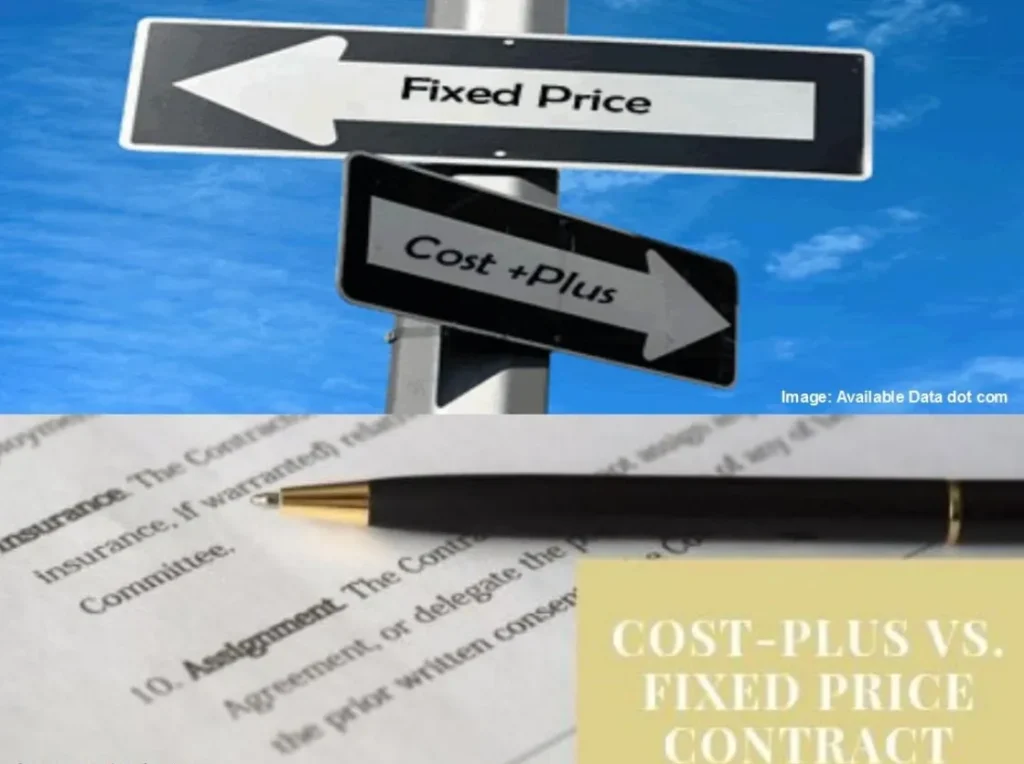
When purchasing everyday products or services, most people expect a set price—no surprises, no fine print. But pricing can be more complex in the world of custom homebuilding. At McMahon Custom Homes, we work with two common contract types: cost-plus contracts and fixed-price contracts.
Understanding the pros and cons of each is critical to making informed decisions and staying on budget when building your dream home.
A cost-plus contract means you pay the actual cost of labor, materials, and subcontractors plus the builder’s agreed-upon overhead and profit.
Cost-plus contracts offer clarity and customization for clients seeking more control and collaboration in the building process. This approach is ideal for highly personalized homes where selections and finishes evolve throughout the project.
The main drawback? Some builders may not be incentivized to find the lowest possible costs. That’s why working with a builder you trust is essential — one who negotiates with vendors, values your investment, and shares a detailed budget from the start.
A fixed-price contract means you agree to a set price for the entire home build — unless a formal change order is submitted.
This approach works well for buyers who don’t anticipate changing selections or want a turnkey custom home with pre-set options.
Builders often pad fixed-price contracts to protect themselves against unknowns. They keep the extra margin if no issues arise, meaning you may overpay. You’ll also have less flexibility to make design changes once construction begins.
Choosing between cost-plus vs. fixed-price contracts depends on your goals:
At McMahon Custom Homes, we use cost-plus contracts because every home we build is unique. We prioritize your vision and budget from our initial design meetings to final selections. Our approach includes:
This ensures you stay informed, involved, and confident throughout your entire custom homebuilding journey.
Before signing with any custom home builder in Richmond, Chesterfield, or Central Virginia, ensure you understand your contract. Whether you choose cost-plus for flexibility or fixed-price for simplicity, the right builder will walk with you every step of the way.
Ready to build your dream home? Let’s start with a conversation.