
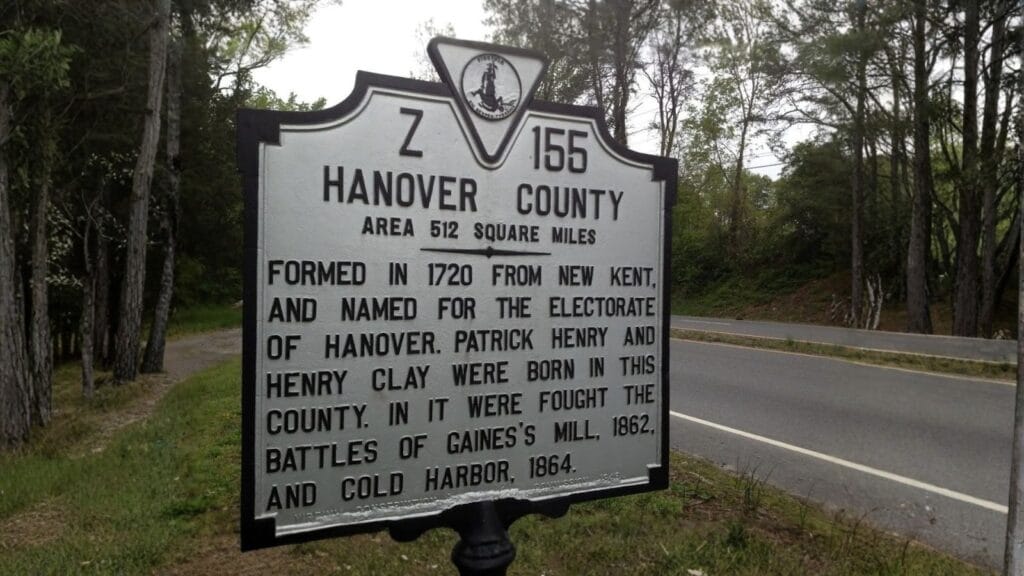
Hanover County has something most of the Richmond metro area has already lost: room. Real room. The kind of acreage where a driveway can wind through the trees before the house even comes into view. The kind of lot where the next neighbor is far enough away that you build what you want, how you want it, without an HOA telling you otherwise.
That combination of space, privacy, and proximity to Richmond is exactly why more families are choosing to build on their own lot in Hanover County rather than buy an existing home or settle for a production builder’s floor plan. The county sits about 12 miles north of Richmond, with easy access via I-95 and Route 1, yet most of the land north and west of Mechanicsville still feels genuinely rural. That’s the draw.
But owning a piece of Hanover land and actually building on it are two different things. There’s a process to understand, a specific sequence to follow, and real complexity in the details. If you go in without a clear picture of what’s involved, you’ll lose time and money before a single shovel touches the ground. Here’s what you actually need to know.
Why Hanover County Keeps Drawing Custom Home Buyers
The numbers tell part of the story. Hanover County’s median household income sits around $109,000, and the county has the lowest real estate property tax rate in the Richmond Region. That combination of strong household economics and low carrying costs on real estate makes it genuinely attractive for families thinking long-term.
The land inventory reflects that appeal. According to Land.com, there are currently over 2,000 acres listed for sale in the county, with an average lot size near 19 acres. For buyers coming from Henrico or Chesterfield where buildable land has gotten increasingly scarce and expensive, Hanover still offers genuine options.
Then there’s the character of the place. Mechanicsville gives you suburban convenience with Richmond just minutes away. Ashland has a walkable small-town core, a historic Amtrak station, and Randolph-Macon College keeping things lively. And then there’s the rural northern stretches toward Beaverdam, Montpelier, and the Pamunkey River corridor, where the land opens up and the pace slows down entirely. Each part of Hanover County has its own identity, and the right lot depends on which version of Hanover you’re actually looking for.
Before You Buy That Lot: The Questions That Matter Most
A lot of buyers get this backwards. They fall in love with a piece of land, make an offer, and only then start asking whether it can actually support a house. By that point, they’re under contract and the leverage is gone.
The smart approach is to run the critical questions before you commit. Here’s what needs answering.
Can the land support a septic system?
Most of Hanover County is not served by public sewer. That means any home you build will need a private septic system, and whether the land can accommodate one depends entirely on soil conditions.
Virginia used to handle this with a simple percolation test, but the process has since been updated. What’s now required is a formal soil suitability evaluation conducted by a licensed onsite soil evaluator (OSE) or licensed alternative onsite soil evaluator (AOSE), governed by the Virginia Department of Health. This evaluation looks at soil texture, depth to the water table, proximity to rock, and drainage patterns to determine whether a conventional drainfield can be installed, and if so, where.
Without a passing soil evaluation, you cannot get a septic construction permit. Without that permit, you cannot get a building permit. This is not a step you can work around.
What does this mean practically? Some lots that look beautiful won’t pass. Clay-heavy soils, high water tables, or shallow rock can all make a conventional septic system impossible and require a more expensive engineered alternative, or rule out the lot entirely. Have the soil evaluated before you’re in love with a piece of land.
For a deeper look at what rural Virginia lot prep involves on the water and septic side, our post on plumbing and septic considerations for rural Virginia lots covers it in detail.
Is there a viable well location?
If the lot isn’t served by public water, which is true for most of rural Hanover, a private well has to be drilled and permitted through the Virginia Department of Health before construction can start. Well placement isn’t as simple as picking a spot. It has to meet setback requirements from potential contaminant sources, including drainfields, so the positioning of the well and the septic system have to be planned together, not independently.
An experienced builder or soil evaluator can walk a lot and identify whether viable well and drainfield locations can coexist given the lot’s size, shape, and topography. This matters a lot on smaller or irregularly shaped parcels.
What does zoning actually allow?
Hanover County uses zoning ordinances to govern what can be built and where. Most rural parcels are zoned A-1 (agricultural), which typically allows residential construction by-right, but setback requirements, minimum lot sizes, and road frontage rules all apply. If the lot’s zoning doesn’t allow your intended use outright, you may be looking at a Conditional Use Permit process that goes through the Board of Supervisors, and that takes time.
Checking the zoning before making an offer takes about five minutes on the county’s parcel map system. Not checking it has cost buyers months.
How the Hanover County Permitting Sequence Actually Works
This is where a lot of first-time on-your-lot buyers get tripped up. They assume the building permit is the first step. It’s not.
Here’s the actual sequence for a new home on a rural Hanover County lot:
Step 1: Soil and well evaluation. Before anything else, you need a licensed soil evaluator to assess the site. If the evaluation comes back favorable, VDH issues a septic construction permit. The well permit application also goes through VDH at this stage.
Step 2: Building permit application. Once the VDH septic and well permits are in hand (or at minimum filed), you can submit the building permit application to Hanover County Building Inspections at 7516 County Complex Road. The application requires a full set of construction plans, a plot plan showing setbacks, and the health department documentation. Incomplete applications are not accepted.
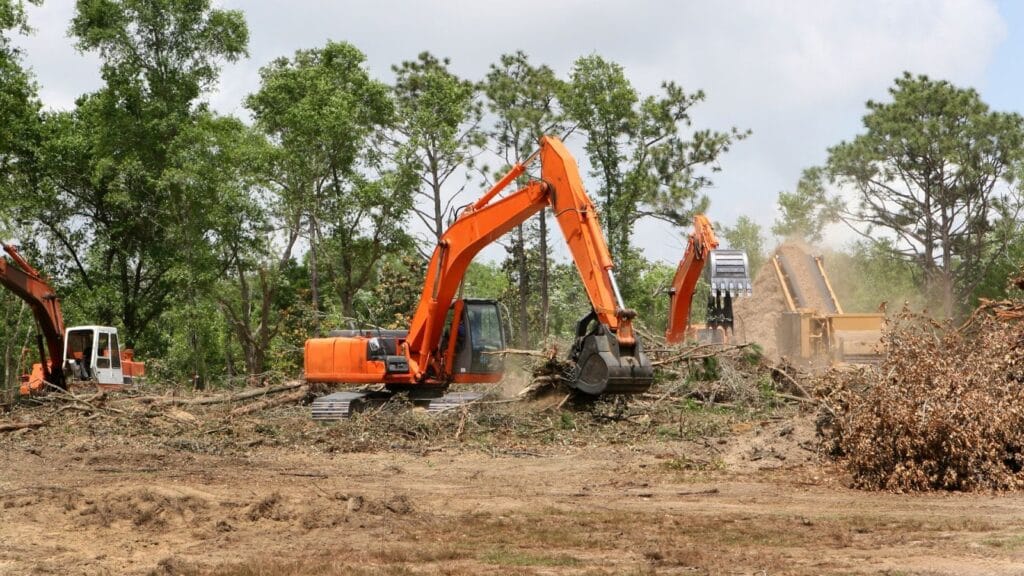
Step 3: Land Disturbance Permit. Any clearing or grading on the lot requires a separate Land Disturbance Permit, also submitted alongside the building permit application. If you’re building in the Town of Ashland specifically, there’s an additional stormwater management fee and review that kicks in for new construction.
Step 4: Trade permits. Electrical, plumbing, and mechanical work each require their own separate permits under Virginia’s uniform statewide building code. These typically run concurrently with construction once the building permit is issued.
The full permit timeline in Hanover County can run anywhere from six weeks to several months depending on how quickly VDH processes the soil evaluation and whether the application comes in complete. An experienced builder who knows the county’s process can submit a clean, complete package that doesn’t bounce back for corrections.
Mechanicsville, Ashland, and Rural Hanover: Different Land, Different Builds
Where your lot sits in Hanover County shapes almost everything about the build.
Lots near Mechanicsville tend to be smaller and are more likely to have access to public utilities, which simplifies the well and septic conversation but also means more neighbors and subdivision-style restrictions in some areas. The tradeoff is speed and convenience.
Ashland lots offer a different mix. The town has its own building oversight and stormwater requirements, but in exchange you get walkability, a distinct community identity, and quick access to I-95. Lots here are tighter, but the character is worth it for the right buyer.
The rural stretches, out through Montpelier, along the Beaverdam Road corridor, near Cold Harbor Road, and up toward the Caroline County line, are where the real acreage opens up. These are the lots where a custom home can truly be designed around the land. Wooded sites with natural clearings, elevated parcels with views, creek frontage, old farm tracts being subdivided for the first time. The complexity is higher, well and septic work matters more, and clearing costs can vary widely, but the result is the kind of site that produces the kind of home you actually can’t find anywhere else.
That’s the kind of on-your-lot building process we do most of our best work on.
Why the Builder’s Familiarity With Hanover County Matters
Hanover County has its own rhythms. The Building Inspections office has its submission requirements and review timelines. VDH has its process for soil evaluations. The Planning Department has its interpretation of the zoning ordinance. None of this is unreasonably complicated, but it’s specific, and builders who work in the county regularly know the nuances that first-timers don’t.
Josh McMahon has been building custom homes across Central Virginia for over 15 years. He’s navigated Hanover County’s permitting process on multiple projects, coordinated well and septic work on rural lots throughout the county, and designed homes that were built for the specific terrain and character of the land they sit on. That’s not a guarantee that nothing will come up, because in rural construction something always does. But it means the surprises get handled without derailing the timeline or the budget.
The pre-construction planning phase at McMahon Custom Homes is designed specifically to surface those issues before they become construction problems. We evaluate the lot, review zoning, coordinate the soil evaluation, and nail down the full scope of site work before the design gets finalized. That way, the cost estimate you sign is the cost estimate you build to.
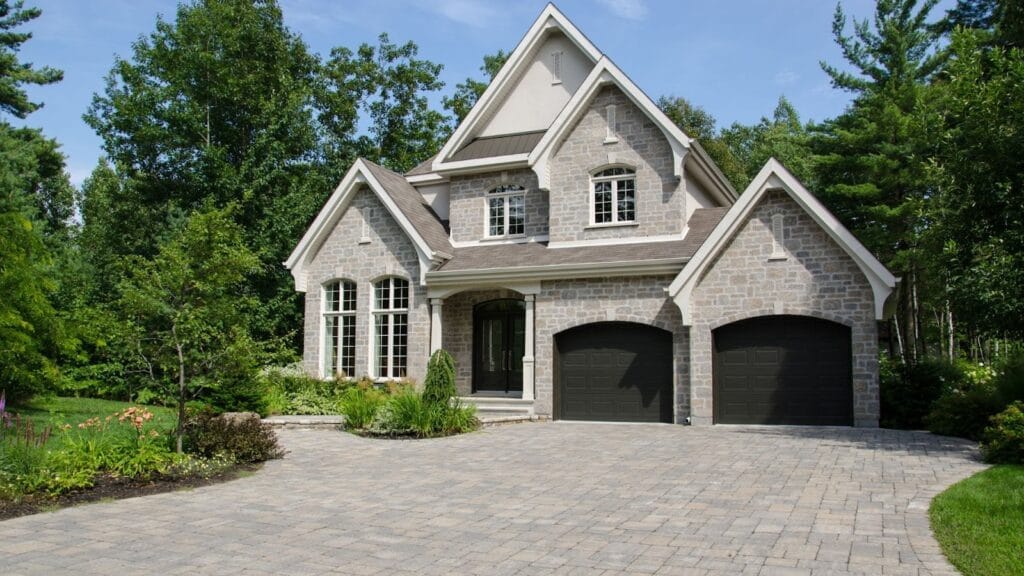
Ready to Build on Your Hanover County Lot?
If you own land in Hanover County, or you’re in the process of finding some, the right time to talk to a builder is before you’re under contract. We can help you evaluate a lot, walk through the permitting sequence, and tell you honestly what a build on that site would actually involve.
Learn more about building a custom home in Hanover County, or schedule a free consultation and let’s talk about your land.